

Does Blowing Your Nose Make Cold Symptoms Worse?
Blowing your nose is a common way to relieve congestion during a cold, but doing it incorrectly can sometimes make symptoms worse. While gentle blowing can help clear mucus, excessive force may irritate the nasal passages and push bacteria deeper into the sinuses, potentially leading to complications. Muhammad Ali Haider Bajwa, MD at Integra Primary Care recommends using proper techniques and considering alternatives like saline sprays to ease congestion and minimize discomfort during your cold. For more information, contact us or request an appointment online. We are located at 95 Washington St, Ste 204 B, Canton, MA 02021.
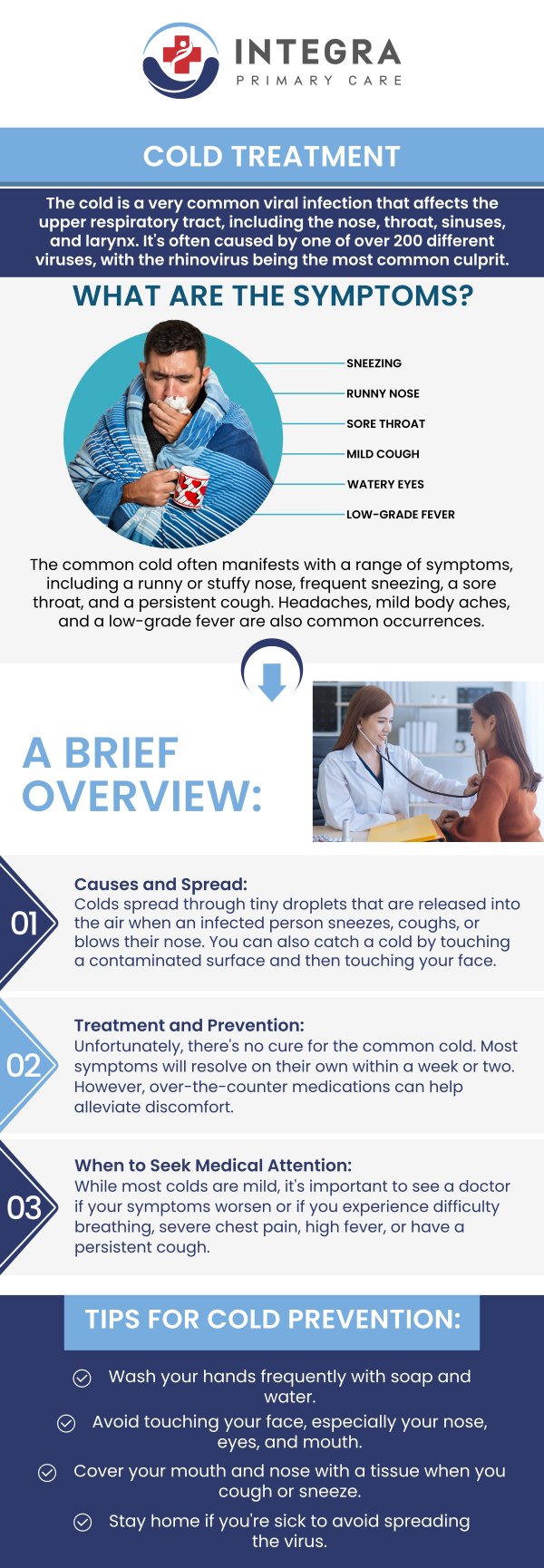
Table of Contents:
Can blowing your nose too often make cold symptoms last longer?
How does blowing your nose impact the congestion and mucus during a cold?
Does blowing your nose force mucus into your sinuses, making cold symptoms worse?
Is it better to blow your nose gently or avoid it entirely when you have a cold?
Manage Your Cold Symptoms with Personalized Care from Muhammad Ali Haider, MD at Integra Primary Care
Nasal congestion is a common and uncomfortable symptom when you have a cold. Many people find relief by blowing their nose, but it’s important to do so carefully to avoid irritating the delicate lining of your nasal passages. Blowing your nose too hard or too often can lead to swelling, minor nosebleeds, or increased inflammation. This can actually make symptoms like stuffiness or a runny nose feel worse and may slow the healing process.
Our team at Integra Primary Care recommends blowing your nose gently, one nostril at a time, and only as needed. You may also find relief with saline sprays or gentle nasal rinses, which help clear mucus without causing additional irritation. Remember, blowing your nose does not make a cold last longer, but aggressive techniques can prolong discomfort.
If your cold symptoms last more than 10 days, worsen, or you experience persistent pain or fever, we encourage you to schedule an appointment with Integra Primary Care. We’re here to help rule out other conditions, such as sinus infections, and guide you toward a full recovery.
Nasal congestion and increased mucus production are common—and uncomfortable—symptoms when you catch a cold. Your body produces extra mucus as a defense mechanism to trap and remove viruses, which can lead to that familiar stuffy feeling.
Blowing your nose can provide temporary relief by physically removing mucus from your nasal passages and making breathing a bit easier. However, it’s important to know that congestion is also caused by inflammation and swelling of the nasal tissues, which blowing your nose alone can’t resolve.
Our providers recommend blowing your nose gently, one nostril at a time. Blowing too hard can push mucus into the sinuses or even the middle ear, raising your risk of sinus or ear infections.
In addition to blowing your nose, we recommend these supportive measures to help you feel more comfortable:
• Stay hydrated: Drinking plenty of fluids helps thin mucus.
• Use saline nasal sprays: These can gently clear out nasal passages and soothe inflammation.
• Inhale steam: Breathing in steam from a hot shower or bowl of water can enhance mucus drainage.
Managing cold and sinus symptoms can be frustrating, especially when simple actions—like blowing your nose—raise questions about what’s best for your health. Many of our patients ask whether blowing their nose could actually make their symptoms worse or increase their risk for a sinus infection.
Here’s what medical research and our clinical experience show: blowing your nose is a natural way to clear mucus when you’re sick, but forceful nose blowing can create high pressure in your nasal passages. This pressure may push a small amount of mucus back into your sinus cavities. While this sounds concerning, it doesn’t mean that nose blowing will definitely cause a sinus infection or make your cold significantly worse.
We recommend the following tips for safe and effective nose blowing:
• Blow Gently, One Nostril at a Time: Blowing your nose gently, one nostril at a time, helps clear out mucus more effectively and makes breathing easier. This also minimizes the risk of forcing bacteria-filled mucus into your sinuses.
• Avoid Excessive Force: Blowing your nose too forcefully or too frequently can irritate the sensitive tissues in your nasal passages and increase the chances of complications.
• Use Saline Sprays or Rinses: These products can help loosen and clear mucus without the need for forceful nose blowing, offering a gentler solution.
• Be Alert for Warning Symptoms: If you experience intense sinus pain, swelling in the face, or a fever, it’s important to reach out to Integra Primary Care for a thorough evaluation and appropriate treatment.
Overall, blowing your nose is generally safe and helpful when done correctly. If you have concerns about cold or sinus symptoms, our team at Integra Primary Care is here to answer your questions and provide evidence-based care tailored to your needs.
At Integra Primary Care, we often get questions from patients about the best way to manage congestion during a cold. One common concern is whether it’s better to blow your nose or avoid it altogether.
Our medical team recommends gently blowing your nose when you feel congested. This helps clear excess mucus from your nasal passages, making it easier to breathe and helping you feel more comfortable. However, it’s important to do this gently—blowing your nose too forcefully can create pressure that pushes mucus and germs deeper into your sinuses or ears, which can sometimes lead to complications like sinus infections or ear infections. For best results, blow your nose one nostril at a time and use soft tissues to prevent irritation of the skin around your nose.
Avoiding nose blowing altogether is usually not necessary. Allowing mucus to build up can make you feel worse and may increase the risk of post-nasal drip, coughing, or throat irritation.
If you notice thick or discolored mucus, have a fever, or if your symptoms are severe or lasting longer than a week, we recommend making an appointment with Integra Primary Care. Our providers can help determine if you need further treatment and ensure you’re on the path to recovery.
At Integra Primary Care, we help you feel better sooner when cold symptoms strike by combining practical advice with personalized medical support. Our team, led by Muhammad Ali Haider, MD, focuses on listening to your symptoms, ruling out more serious illnesses, and recommending evidence‑based treatments that ease congestion, sore throat, cough, and fatigue. We’ll guide you through appropriate use of over‑the‑counter remedies, rest, hydration, and symptom relief strategies while watching for signs that might require further care. If symptoms worsen or last longer than expected, we’re here to assess your condition and tailor a plan that supports your recovery. Dr. Bajwa’s compassionate approach ensures you receive attentive care throughout your visit at our Canton, MA practice.
If you have any questions or need care for your cold symptoms, don’t hesitate to contact Integra Primary Care. For more information, contact us or request an appointment online. We are located at 95 Washington St, Ste 204 B, Canton, MA 02021. We serve patients from Canton MA, Sharon MA, Stoughton MA, Norwood MA, Walpole MA, Randolph MA, Mansfield MA, Dedham MA, and surrounding cities.
Check Out Our 5 Star Reviews


Additional Services You May Need

Additional Services
You May Need
• Annual Physicals
• Wellness Exams
• Medical Weight Loss
• Chronic Disease
• Telehealth
• Sick Visits
• Preventive Care
• Mental Health
• Vaccinations
• Direct Primary Care
• Diabetes
• High Blood Pressure
• Cholesterol
• Asthma
• Minor Injuries
• Men’s Health
• Prostate Screening
• Sexual Health
• Primary Care





 Send Text
 How May I Help You?
