

What Is the Difference Between HDL Cholesterol and LDL Cholesterol?
Grasping the precise difference between HDL cholesterol and LDL cholesterol is essential for evaluating your true cardiovascular risk. The experienced team at Integra Primary Care takes the complexity out of your lipid panels by educating patients on how these proteins behave. For more information, contact us or schedule an appointment online. We are conveniently located at 95 Washington St, Ste 204 B, Canton, MA 02021.
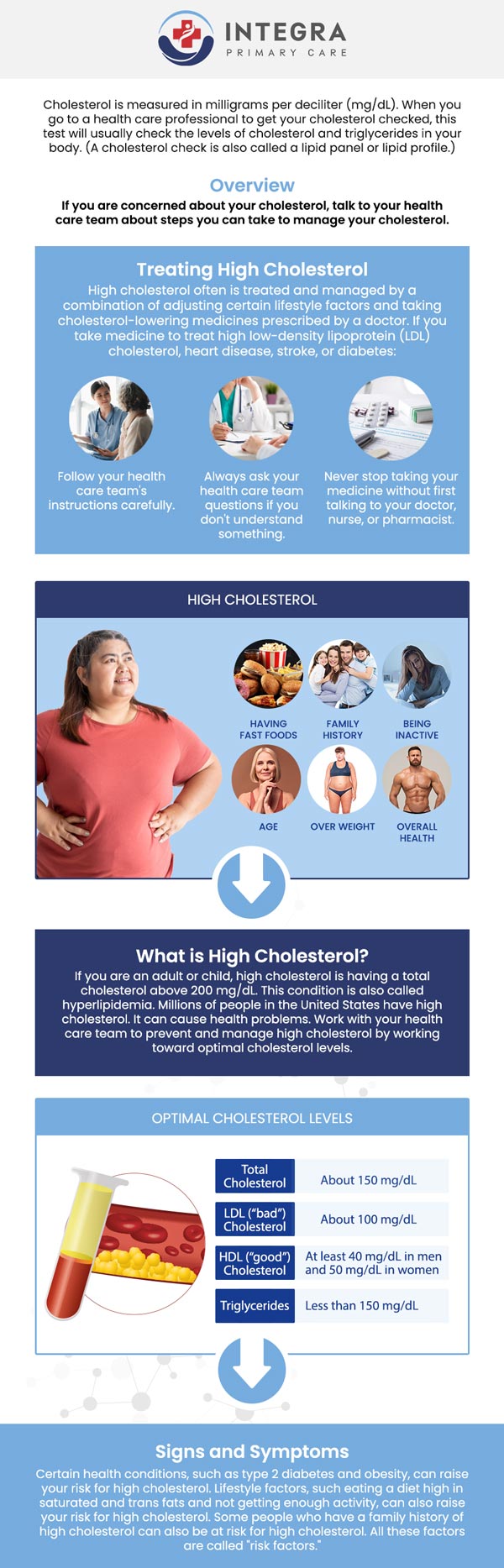
Table of Contents:
Why is HDL cholesterol often referred to as the “good” cholesterol?
What makes LDL cholesterol known as the “bad” cholesterol?
How do HDL and LDL cholesterol differ in terms of their impact on blood vessels?
Can lifestyle changes help improve HDL and LDL cholesterol ratios?
How Does Muhammad Ali Haider Bajwa, MD at Integra Primary Care Distinguish Between HDL and LDL Cholesterol for Your Heart Health?
At Integra Primary Care, your heart health is one of our top priorities. One key factor we monitor is your HDL cholesterol, often called the “good” cholesterol, because of its crucial role in protecting your cardiovascular system. HDL (high-density lipoprotein) helps transport cholesterol away from your arteries and tissues back to your liver, where it can be processed and removed from the body. This process reduces cholesterol buildup in your blood vessels and lowers your risk of conditions like atherosclerosis, heart attacks, and strokes.
When you visit Integra Primary Care for your routine check-ups, we assess your cholesterol levels as part of our comprehensive approach to preventive care. Higher levels of HDL cholesterol are linked to a lower risk of heart disease, as HDL acts like a “scavenger,” clearing excess cholesterol from your bloodstream. On the other hand, high levels of LDL cholesterol (the “bad” cholesterol) can lead to fatty deposits in your arteries, increasing your risk of heart problems.
At Integra Primary Care, we emphasize the importance of understanding your cholesterol levels as part of a proactive approach to heart health. One of the key markers we monitor during your routine check-ups is LDL cholesterol, or low-density lipoprotein cholesterol. Often called the “bad” cholesterol, high levels of LDL are a major risk factor for developing atherosclerosis, heart attacks, and strokes.
Unlike HDL (“good” cholesterol), which helps clear cholesterol from your bloodstream, LDL cholesterol carries cholesterol from your liver to your body’s cells. If there’s too much LDL in your blood, it can start to build up on the walls of your arteries. Over time, this buildup forms plaques that narrow and harden your arteries—a condition known as atherosclerosis. This process reduces blood flow and can lead to serious cardiovascular events.
Our providers carefully track your cholesterol levels as part of your overall cardiovascular risk assessment. We educate our patients about the importance of maintaining healthy cholesterol through lifestyle changes like diet, exercise, and, when necessary, medication. Our goal is to help you achieve and maintain optimal heart health, preventing complications before they arise.
At Integra Primary Care, we are committed to helping you maintain your heart health and overall well-being. Part of this commitment involves monitoring important markers in your blood, such as cholesterol levels.
Cholesterol travels through your bloodstream in two main forms: HDL (high-density lipoprotein) and LDL (low-density lipoprotein). Their balance can significantly affect your heart and blood vessels.
LDL Cholesterol: The “Bad” Cholesterol
LDL cholesterol carries cholesterol from your liver to your arteries. When LDL levels are too high, cholesterol can build up on the walls of your blood vessels, forming fatty plaques. This buildup narrows and hardens the arteries—a condition called atherosclerosis—which increases your risk for heart attacks and strokes.
HDL Cholesterol: The “Good” Cholesterol
HDL cholesterol works in the opposite way. It helps remove cholesterol from your arteries and transports it back to your liver, where your body can process and eliminate it. By reducing cholesterol buildup, HDL helps keep your arteries clear and flexible, lowering your risk for cardiovascular disease.
Regular cholesterol screenings are an essential part of the preventive care we provide at Integra Primary Care. By keeping track of both your LDL and HDL levels, we can help you understand your cardiovascular risk and work with you on strategies to improve your cholesterol through lifestyle changes, diet, exercise, or medication when necessary.
At Integra Primary Care, we understand how important it is to maintain healthy cholesterol levels to support your overall cardiovascular health. Our team is dedicated to helping you improve your HDL (high-density lipoprotein) and LDL (low-density lipoprotein) cholesterol ratios through evidence-based lifestyle changes.
HDL is often called “good” cholesterol because it helps remove excess cholesterol from your bloodstream, while LDL is known as “bad” cholesterol due to its role in plaque buildup in arteries. Managing these levels is a key part of preventing heart disease and promoting long-term wellness.
Our primary care providers work with you to create a personalized plan that may include:
• Regular Physical Activity: Engaging in moderate exercise—such as brisk walking, cycling, or swimming—most days of the week can help raise HDL and lower LDL levels. Even small increases in activity can make a meaningful difference.
• Dietary Guidance: We encourage incorporating more foods rich in healthy fats, like olive oil, avocados, and fatty fish, which can boost HDL cholesterol. Reducing your intake of saturated fats (found in red meats and full-fat dairy) and eliminating trans fats (common in processed and fried foods) are also important steps to lower LDL cholesterol.
• Fiber Intake: Our providers recommend increasing your consumption of fruits, vegetables, whole grains, and legumes. These fiber-rich foods can help lower LDL levels and further improve your cholesterol profile.
• Lifestyle Modifications: Quitting tobacco and limiting alcohol consumption are crucial, as smoking lowers HDL and excessive alcohol can disrupt cholesterol balance. Achieving and maintaining a healthy weight also has a positive effect on both HDL and LDL levels.
At Integra Primary Care, we are here to support you every step of the way. Through regular check-ups, lab testing, and ongoing education, we help you adopt heart-healthy habits tailored to your unique needs. Together, we can effectively improve your cholesterol ratios and reduce your risk of cardiovascular disease, empowering you to live a healthier, longer life.
Understanding your lipid panel is essential for preventing cardiovascular disease, and board-certified internist Muhammad Ali Haider Bajwa, MD at Integra Primary Care ensures you know exactly what your numbers mean. Dr. Bajwa treats cholesterol as a vital marker of vascular health, emphasizing the distinct roles of low-density lipoprotein (LDL) and high-density lipoprotein (HDL).
Often called “bad” cholesterol, excess LDL can deposit fatty plaques inside your arterial walls, causing them to narrow—a condition known as atherosclerosis. Conversely, HDL acts as the “good” scavenger, actively clearing excess cholesterol from the bloodstream and carrying it to the liver for elimination.
At the Canton, MA clinic, Dr. Bajwa leverages his extensive background in cardiac care to evaluate your specific ratio. Instead of just looking at total numbers, he maps out customized treatment plans that use targeted nutrition, lifestyle counseling, and precise monitoring to reduce dangerous LDL while naturally optimizing protective HDL.
Schedule an online appointment with Integra Primary Care today to discuss your cardiovascular health and start your journey toward better cholesterol management. For more information, contact us. We are conveniently located at 95 Washington St, Ste 204 B, Canton, MA 02021. We serve patients from Canton MA, Sharon MA, Stoughton MA, Norwood MA, Walpole MA, Randolph MA, Mansfield MA, Dedham MA, and surrounding cities.
Check Out Our 5 Star Reviews


Additional Services You May Need

Additional Services
You May Need
• Annual Physicals
• Wellness Exams
• Medical Weight Loss
• Chronic Disease
• Telehealth
• Sick Visits
• Preventive Care
• Mental Health
• Vaccinations
• Direct Primary Care
• Diabetes
• High Blood Pressure
• Cholesterol
• Asthma
• Minor Injuries
• Men’s Health
• Prostate Screening
• Sexual Health
• Primary Care







 Send Text
 How May I Help You?
